
Thin bodies weren’t always attractive: A brief history of culturally relative beauty standards
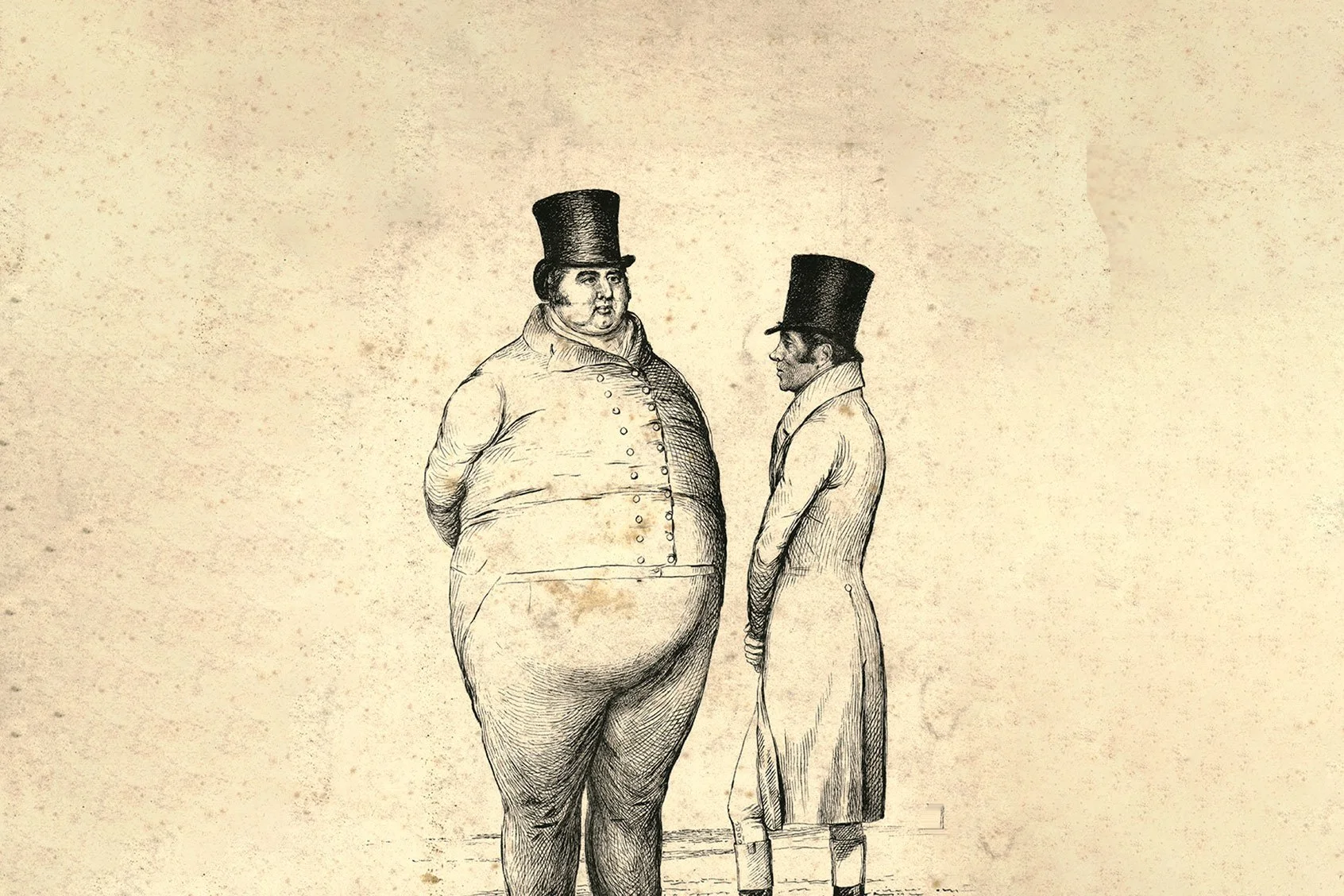
More than two out of every five American adults is obese, meaning that more of us are experiencing fat shaming to the extent that it’s become a mainstream topic of public discourse. In just the past week, this public discussion has fixated on Darren Aronofsky’s new film “The Whale,” which some see as fat-phobic; and the public bullying of plus-sized supermodel Ashley Graham, who was shamed for being “fat” by former Miss New Jersey Sameera Khan. Of course, most fat-shaming in the United States does not happen in discussion forums that millions read, but rather in quotidian moments in everyday people’s lives. And many may be surprised to know that it wasn’t always this way: beauty standards — along with which body sizes are seen as attractive — are nebulous, and have changed frequently throughout history and culture. Rather, we are socialized to desire a specific size.
This observation is true, but it does not numb the sting of losing pretty privilege after gaining weight. Women’s empowerment health blogger Morgan May knows this firsthand as a 20-year-old when she stopped taking Adderall, developed a binge eating disorder and gained more than 40 pounds. Although she had previously been a “hot girl” according to “Eurocentric beauty standards,” she lost that and still remembers the disappointed face of a boy who saw her post-weight gain after being attracted to her pre-weight gain.
“This was the first time this had ever happened to me and I was shocked and confused,” May wrote “I had usually been the ‘prize’ men wanted to be with amongst other women, so this was mortifying and heartbreaking. I knew why it had happened, but because I had felt so out of control of my body, I blocked it out and moved on, not knowing what to do about it.” May says she was eventually able to shed her excess weight. Looking back, she has advice for people who fear they have lost pretty privilege — never give up on striving to be the best possible version of yourself.
“I don’t believe in ever submitting to our own victimhood and I think a large part of why I’ve successfully un-f**ked myself in various ways is because I will never ever give up the fight for my life and my goals, even if it takes years,” May observed. “I don’t believe other people should change their preferences to make me feel more comfortable and I don’t believe in redefining standards of beauty. I think if you have a problem in your life, you should fight tooth and nail — a plethora of approaches be they coaches, hypnotherapists, nutritionists, etc. to achieve the most powerful version of yourself possible, period.”
Article written by Matthew Rozsa
